by franjew | Jan 13, 2018 | Blog
When one buys jewellery of a low gold content, you have to be aware of certain drawbacks. It may happen that the wearer notes a certain decolourization of the jewel on the skin or clothing or spots on the jewel itself. This may happen in particular in the case of 9ct...

by franjew | Jan 13, 2018 | Metals
In its pure form silver is almost as soft as gold, and therefore is usually alloyed with copper for strength. Caratage is not marked because, legally, anything called “silver” or “sterling silver” is 92.5% pure.Purity is really not something to...

by franjew | Jan 13, 2018 | Metals
Pure gold is 24 carat (ct), very soft and bends easily. To make gold jewellery more practical and durable it is alloyed with other metals. Different alloys are used for greater strength, durability and colour range. The caratage of the jewellery will tell you what...

by franjew | Jan 12, 2018 | Tanzanites
SHOP ONLINE
by franjew | Jan 12, 2018 | Tanzanites
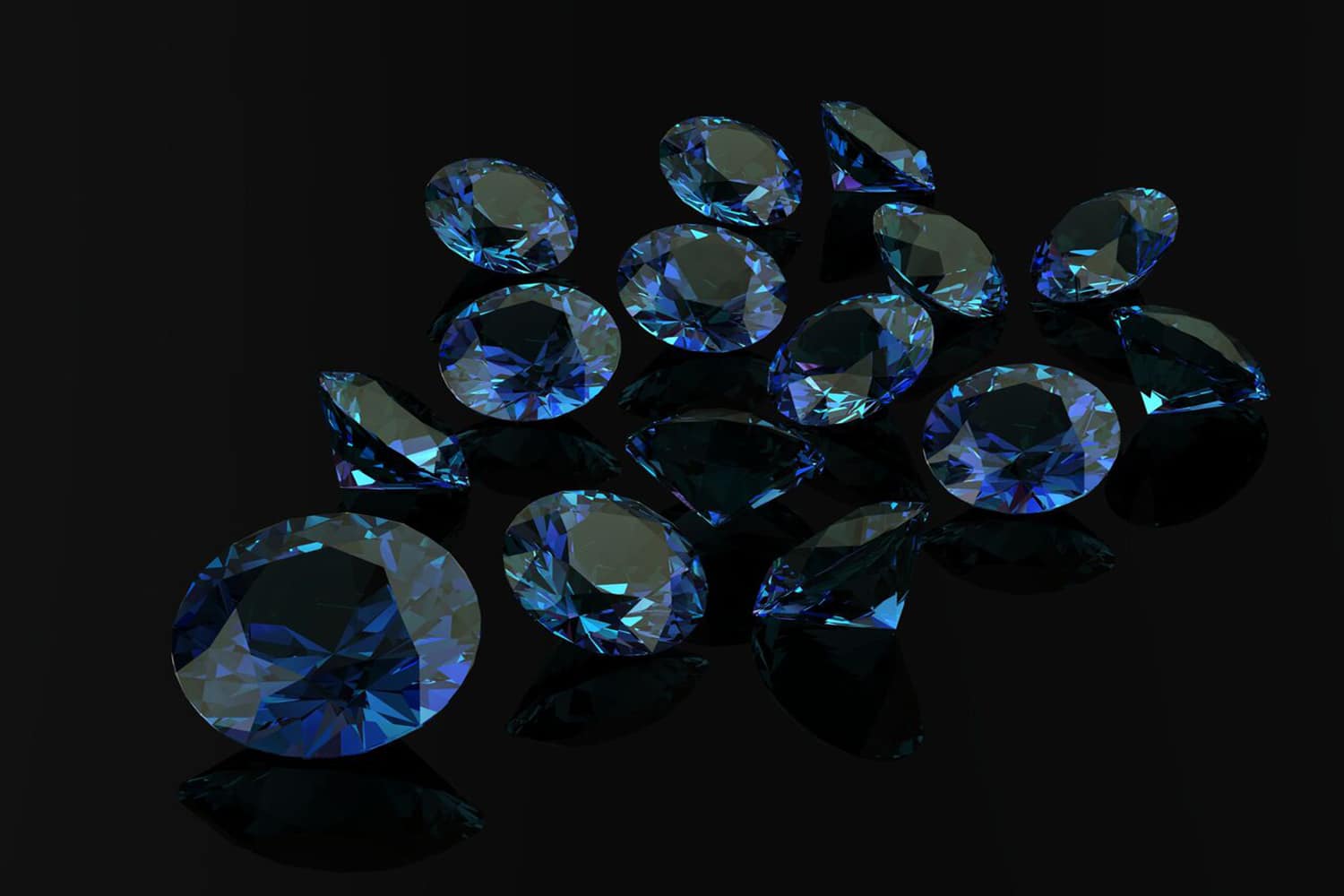
As with diamonds, the Tanzanite Foundation grades these rare dazzlers according to what we call THE 5 C’s – Francois Jewellers Colour, Clarity, Cut, Carat and Confidence. The higher the combination of these characteristics, the rarer and more valuable the...
by franjew | Jan 12, 2018 | Tanzanites
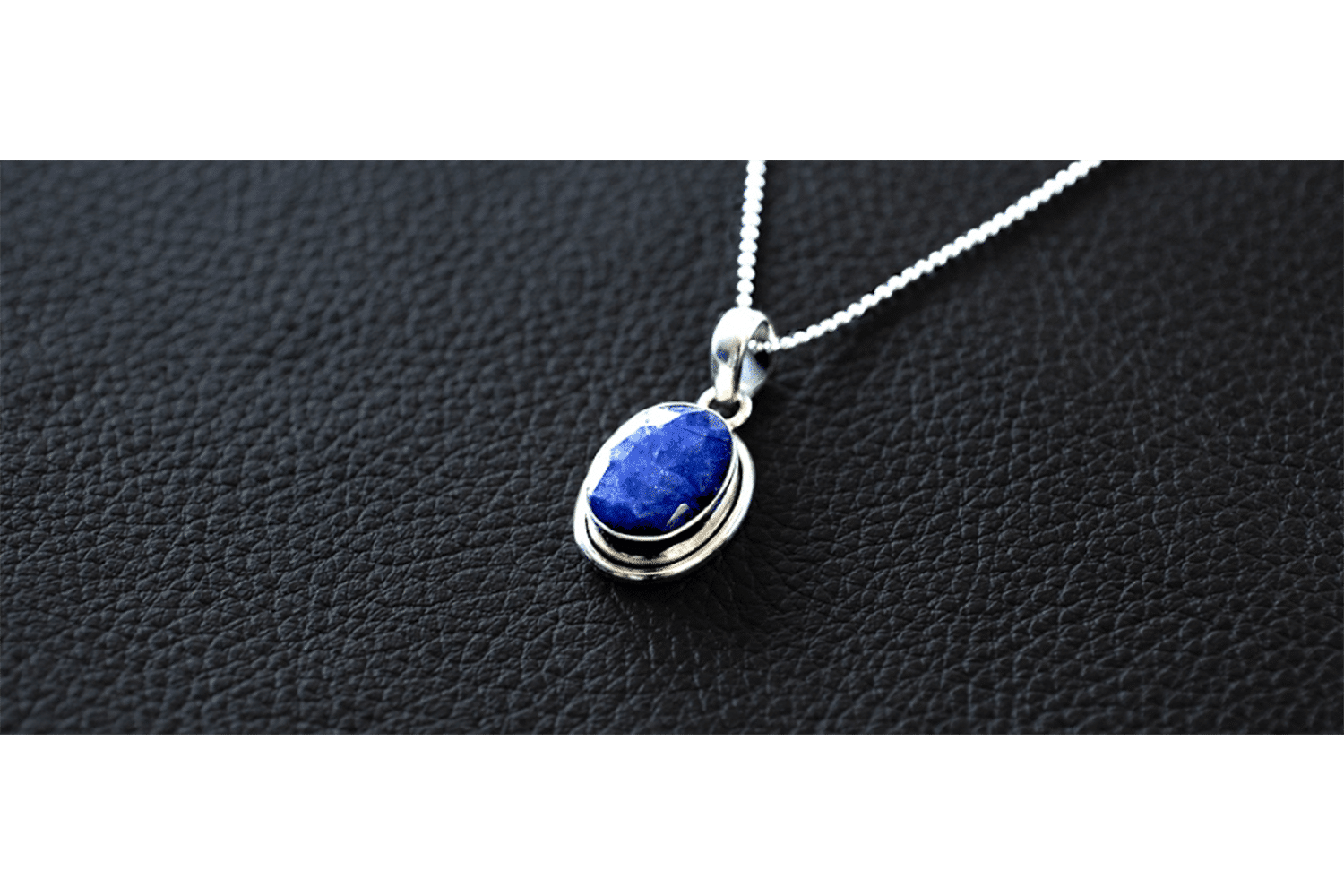
In 1967, south-east of the town of Arusha in Tanzania, a chunk of translucent rock was found. Gemologists were fascinated by its blue-purple hue and discovered that it was not sapphire, as its finder had initially suggested. The colour was more violet and the...